Media Summary: "You do not mess with something so fundamental, so precious, as Mark Rober () spent years trying to land a rover on Mars. Now, the former NASA engineer turned Many of the world's biggest problems require asking questions of

Scientists Must Be Free To - Detailed Analysis & Overview

"You do not mess with something so fundamental, so precious, as Mark Rober () spent years trying to land a rover on Mars. Now, the former NASA engineer turned Many of the world's biggest problems require asking questions of Insights from the Algonauts 2025 Winners A foundation model of vision, audition, and ... These massive walls of water may be far more common than we once believed. For centuries, We know humans evolved in Africa. But that's a big place, so do we know where on this massive continent our ancestors first ...

Get your $5 sign-up bonus at You can use it on your first purchase! Privacy has a NOTE FROM TED: Please do not look to this talk for medical advice. This talk represents the speaker's personal views and ... Steve Fuller, Suzanne Livingston and Roman Yampolskiy discuss whether

Photo Gallery

Scientists must be free to learn, to speak and to challenge | Kirsty Duncan
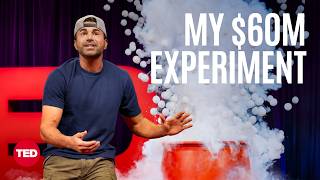
Mark Rober’s $60 Million Science Experiment | TED
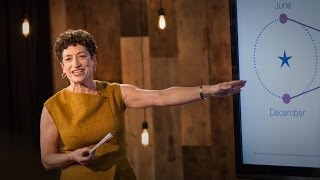
Naomi Oreskes: Why we should trust scientists
Scientists Built A Disturbingly Accurate AI Brain Simulation
The Ocean Wave Scientists Thought Was Impossible | What the Physics?!
Where Are Humans ACTUALLY From?
Should Knowledge Be Free?
No, You Can’t Make Your Own Sunscreen
The Secrets and Science of Mental Toughness | Joe Risser MD, MPH | TEDxSanDiego
AI Is Coming For Scientists’ Jobs. Seriously.
5 Scary Science Headlines You Don't Need To Worry About
Will we need scientists in the AI age? | Roman Yampolskiy, Suzanne Livingston, Steve Fuller
View Detailed Profile
Scientists must be free to learn, to speak and to challenge | Kirsty Duncan

Scientists must be free to learn, to speak and to challenge | Kirsty Duncan

"You do not mess with something so fundamental, so precious, as

Mark Rober’s $60 Million Science Experiment | TED

Mark Rober’s $60 Million Science Experiment | TED

Mark Rober (@MarkRober) spent years trying to land a rover on Mars. Now, the former NASA engineer turned

Naomi Oreskes: Why we should trust scientists

Naomi Oreskes: Why we should trust scientists

Many of the world's biggest problems require asking questions of

Scientists Built A Disturbingly Accurate AI Brain Simulation

Scientists Built A Disturbingly Accurate AI Brain Simulation

Insights from the Algonauts 2025 Winners https://arxiv.org/html/2508.10784v1 A foundation model of vision, audition, and ...

The Ocean Wave Scientists Thought Was Impossible | What the Physics?!

The Ocean Wave Scientists Thought Was Impossible | What the Physics?!

These massive walls of water may be far more common than we once believed. For centuries,

Where Are Humans ACTUALLY From?

Where Are Humans ACTUALLY From?

We know humans evolved in Africa. But that's a big place, so do we know where on this massive continent our ancestors first ...

Should Knowledge Be Free?

Should Knowledge Be Free?

Should

No, You Can’t Make Your Own Sunscreen

No, You Can’t Make Your Own Sunscreen

Get your $5 sign-up bonus at http://privacy.com/scishow. You can use it on your first purchase! Privacy has a

The Secrets and Science of Mental Toughness | Joe Risser MD, MPH | TEDxSanDiego

The Secrets and Science of Mental Toughness | Joe Risser MD, MPH | TEDxSanDiego

NOTE FROM TED: Please do not look to this talk for medical advice. This talk represents the speaker's personal views and ...

AI Is Coming For Scientists’ Jobs. Seriously.

AI Is Coming For Scientists’ Jobs. Seriously.

Grab your

5 Scary Science Headlines You Don't Need To Worry About

5 Scary Science Headlines You Don't Need To Worry About

Visit https://brilliant.org/scishow/ to get started learning STEM for

Will we need scientists in the AI age? | Roman Yampolskiy, Suzanne Livingston, Steve Fuller

Will we need scientists in the AI age? | Roman Yampolskiy, Suzanne Livingston, Steve Fuller

Steve Fuller, Suzanne Livingston and Roman Yampolskiy discuss whether
On Science

On Science

On