Media Summary: The ocean's microscopic single-celled organisms produce over half the world's oxygen. These phytoplankton provide clean air, ... How do you know what whales do in the wild? They are too big for an aquarium and disappear from view at every dive. Every day humans produce tons of chemicals that can drain into our rivers, lakes, and oceans. In the Pacific Northwest, these ...

Noaa Live Webinar 22 What - Detailed Analysis & Overview

The ocean's microscopic single-celled organisms produce over half the world's oxygen. These phytoplankton provide clean air, ... How do you know what whales do in the wild? They are too big for an aquarium and disappear from view at every dive. Every day humans produce tons of chemicals that can drain into our rivers, lakes, and oceans. In the Pacific Northwest, these ... Behind the Scenes at the Milford Fisheries Laboratory with Mark Dixon and Gillian Phillips, Satellites are amazing tools for observing the Earth and the big blue ocean that covers more than 70 percent of our planet. It's easy to follow friends and family who are important to us through social media. But there is no Facebook for fish. So how do we ...

Whales are among the largest and oldest animals on earth and belong to a group of marine mammals called cetaceans. Coral reefs are the rainforests of the ocean. They are beautiful, diverse, and extremely important for healthy ocean ecosystems ... On January 12, 2023, climate experts from

Photo Gallery

NOAA Live! Webinar 22: What's in that Mouthful of Seawater? Introducing a Microscopic World
NOAA Live! Webinar 59 - Whale and Seek: The Underwater Lives of Whales
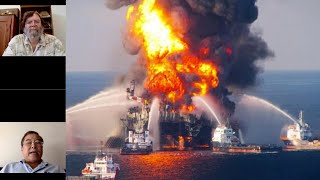
NOAA Live! Webinar 18: The Job of a NOAA Oil Spill Response Scientist
NOAA Live! Webinar 37 - Swimming in Dirty Water - Pollution and Fish Health
NOAA Live! Webinar 52 - Science on the Half Shell
Inside the NOAA/NWS Storm Prediction Center: Operations and Future Services - 19 August, 2022
NOAA Live! Webinar 3: The Ocean From Space
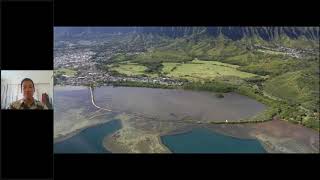
NOAA Live! Webinar 26: The Life of Hawaiian Bonefishes
NOAA Live! Webinar 2: A Bird's Eye View of Whales
NOAA Live! Webinar 20: Dive In and Explore Coral Reef Ecosystems
NOAA Live! Webinar 8:  Hunting Hurricanes with a NOAA Pilot
NOAA Live! Webinar 27 - Minutes Matter: Nature's Warning Signs for Tsunami
View Detailed Profile
NOAA Live! Webinar 22: What's in that Mouthful of Seawater? Introducing a Microscopic World

NOAA Live! Webinar 22: What's in that Mouthful of Seawater? Introducing a Microscopic World

The ocean's microscopic single-celled organisms produce over half the world's oxygen. These phytoplankton provide clean air, ...

NOAA Live! Webinar 59 - Whale and Seek: The Underwater Lives of Whales

NOAA Live! Webinar 59 - Whale and Seek: The Underwater Lives of Whales

How do you know what whales do in the wild? They are too big for an aquarium and disappear from view at every dive.

NOAA Live! Webinar 18: The Job of a NOAA Oil Spill Response Scientist

NOAA Live! Webinar 18: The Job of a NOAA Oil Spill Response Scientist

NOAA

NOAA Live! Webinar 37 - Swimming in Dirty Water - Pollution and Fish Health

NOAA Live! Webinar 37 - Swimming in Dirty Water - Pollution and Fish Health

Every day humans produce tons of chemicals that can drain into our rivers, lakes, and oceans. In the Pacific Northwest, these ...

NOAA Live! Webinar 52 - Science on the Half Shell

NOAA Live! Webinar 52 - Science on the Half Shell

Behind the Scenes at the Milford Fisheries Laboratory with Mark Dixon and Gillian Phillips,

Inside the NOAA/NWS Storm Prediction Center: Operations and Future Services - 19 August, 2022

Inside the NOAA/NWS Storm Prediction Center: Operations and Future Services - 19 August, 2022

Bill Bunting takes

NOAA Live! Webinar 3: The Ocean From Space

NOAA Live! Webinar 3: The Ocean From Space

Satellites are amazing tools for observing the Earth and the big blue ocean that covers more than 70 percent of our planet.

NOAA Live! Webinar 26: The Life of Hawaiian Bonefishes

NOAA Live! Webinar 26: The Life of Hawaiian Bonefishes

It's easy to follow friends and family who are important to us through social media. But there is no Facebook for fish. So how do we ...

NOAA Live! Webinar 2: A Bird's Eye View of Whales

NOAA Live! Webinar 2: A Bird's Eye View of Whales

Whales are among the largest and oldest animals on earth and belong to a group of marine mammals called cetaceans.

NOAA Live! Webinar 20: Dive In and Explore Coral Reef Ecosystems

NOAA Live! Webinar 20: Dive In and Explore Coral Reef Ecosystems

Coral reefs are the rainforests of the ocean. They are beautiful, diverse, and extremely important for healthy ocean ecosystems ...

NOAA Live! Webinar 8:  Hunting Hurricanes with a NOAA Pilot

NOAA Live! Webinar 8: Hunting Hurricanes with a NOAA Pilot

NOAA

NOAA Live! Webinar 27 - Minutes Matter: Nature's Warning Signs for Tsunami

NOAA Live! Webinar 27 - Minutes Matter: Nature's Warning Signs for Tsunami

May

NOAA/NASA 2022 Global Climate Media Briefing

NOAA/NASA 2022 Global Climate Media Briefing

On January 12, 2023, climate experts from