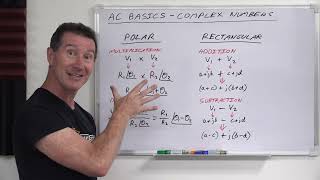
Media Summary: Following in from the DC circuit fundamanetals series starts the Complex numbers are NOT complex! How complex numbers are used in The difference between Time Domain and Frequency Domain in

Eevblog 1728 Ac Basics Tutorial - Detailed Analysis & Overview

Following in from the DC circuit fundamanetals series starts the Complex numbers are NOT complex! How complex numbers are used in The difference between Time Domain and Frequency Domain in What is an oscilloscope? What is it useful for? How is it used? What is the difference between an old school analog and a modern ... How to set up your own decent electronics lab, what you need, and how much it'll cost you. Electronics test equipment, soldering, ...

Photo Gallery

EEVblog 1728 - AC Basics Tutorial Part 6: Impedance, Conductance, Susceptance, Admittance
EEVblog 1469 - AC Basics Tutorial Part 2 - Phasors
EEVblog 1417 - AC Basics Tutorial Part 1: Alternating Current
EEVblog 1729 - AC Basics Tutorial Part 7: AC Ohms Law
EEVblog 1730 - AC Basics Tutorial Part 8: Apparent, Reactive & Real Power
EEVblog 1470 - AC Basics Tutorial Part 3 - Complex Numbers are EASY!
EEVblog 1660 - AC Basics Tutorial Part 4: Resistors, Capacitors, Inductors
EEVblog 1661 - AC Basics Tutorial Part 5: Time Domain vs Frequency Domain
EEVblog #926 - Introduction To The Oscilloscope
AC Basics: Learn All About Alternating Current
EEVblog #168 - How To Set Up An Electronics Lab
EEVblog 1399 - DC Fundamentals Part 3: Voltage Dividers
View Detailed Profile
EEVblog 1728 - AC Basics Tutorial Part 6: Impedance, Conductance, Susceptance, Admittance

EEVblog 1728 - AC Basics Tutorial Part 6: Impedance, Conductance, Susceptance, Admittance

Part 6 of the

EEVblog 1469 - AC Basics Tutorial Part 2 - Phasors

EEVblog 1469 - AC Basics Tutorial Part 2 - Phasors

Part 2 of the

EEVblog 1417 - AC Basics Tutorial Part 1: Alternating Current

EEVblog 1417 - AC Basics Tutorial Part 1: Alternating Current

Following in from the DC circuit fundamanetals series starts the

EEVblog 1729 - AC Basics Tutorial Part 7: AC Ohms Law

EEVblog 1729 - AC Basics Tutorial Part 7: AC Ohms Law

Ohms law applied to

EEVblog 1730 - AC Basics Tutorial Part 8: Apparent, Reactive & Real Power

EEVblog 1730 - AC Basics Tutorial Part 8: Apparent, Reactive & Real Power

Part 8 of the

EEVblog 1470 - AC Basics Tutorial Part 3 - Complex Numbers are EASY!

EEVblog 1470 - AC Basics Tutorial Part 3 - Complex Numbers are EASY!

Complex numbers are NOT complex! How complex numbers are used in

EEVblog 1660 - AC Basics Tutorial Part 4: Resistors, Capacitors, Inductors

EEVblog 1660 - AC Basics Tutorial Part 4: Resistors, Capacitors, Inductors

Part 4 in the

EEVblog 1661 - AC Basics Tutorial Part 5: Time Domain vs Frequency Domain

EEVblog 1661 - AC Basics Tutorial Part 5: Time Domain vs Frequency Domain

The difference between Time Domain and Frequency Domain in

EEVblog #926 - Introduction To The Oscilloscope

EEVblog #926 - Introduction To The Oscilloscope

What is an oscilloscope? What is it useful for? How is it used? What is the difference between an old school analog and a modern ...

AC Basics: Learn All About Alternating Current

AC Basics: Learn All About Alternating Current

In this video, we'll teach you about

EEVblog #168 - How To Set Up An Electronics Lab

EEVblog #168 - How To Set Up An Electronics Lab

How to set up your own decent electronics lab, what you need, and how much it'll cost you. Electronics test equipment, soldering, ...

EEVblog 1399 - DC Fundamentals Part 3: Voltage Dividers

EEVblog 1399 - DC Fundamentals Part 3: Voltage Dividers

Fundamentals